
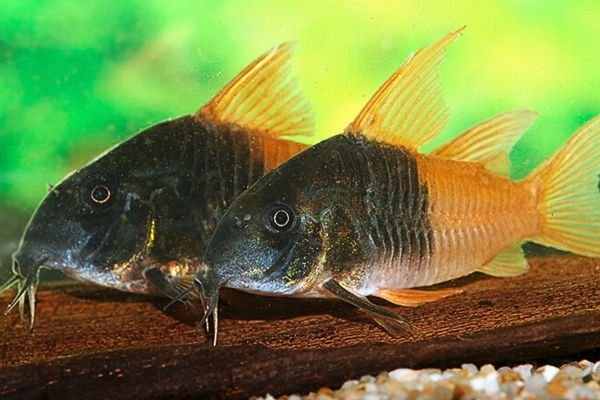
Freshwater aquarists are always on the lookout for something special, rare, and captivating. The newly designated CW217 “Two Tone” Concolor is exactly that. This wild-collected variant of Corydoras concolor comes from Colombia’s Rio Tomo, part of the Orinoco River basin, and stands out immediately thanks to its striking “black and tan” coloration. The front half of its body is a deep slate-blue, while the rear half and dorsal fin glow in rusty orange or red.
The Rio Tomo: A Unique Habitat
The Rio Tomo is a fascinating environment. Flowing through the Colombian highlands, it meanders over sandy and rocky substrates, shaded by lush riparian forests. Fallen leaves, submerged roots, and driftwood create ideal hiding and feeding spots for bottom-dwelling fish like the CW217. Water conditions in this region tend to be soft and slightly acidic, which is perfect for Corydoras. The dappled light filtering through the forest canopy produces shifting patterns on the riverbed, which may even help the CW217’s unique coloration blend with its surroundings.
A Community of Bottom-Dwellers
CW217 “Two Tone” Concolors are part of a diverse community of bottom-dwelling species. In their native habitat, they may be found alongside other Corydoras species, small loaches, miniature armored catfish such as Brachyrhamdia, and even shrimp or other invertebrates. These species all sift through sand and detritus for food, creating a dynamic and fascinating microcosm on the riverbed. Above them, midwater species like tetras and dwarf cichlids patrol the middle levels, while larger predators move through deeper zones, completing a vibrant aquatic ecosystem.
Behavior and Social Structure
Like other Corydoras, the CW217 is peaceful, social, and highly active. They thrive in groups of six or more, constantly probing the substrate with their delicate barbels. Their calm temperament makes them ideal companions for other small, non-aggressive species in a community aquarium. In captivity, recreating the soft, slightly acidic conditions of the Rio Tomo, combined with fine sand or smooth gravel, allows them to forage naturally and display their characteristic social behaviors.
Feeding should mimic their natural habits, with a mix of high-quality sinking pellets, frozen foods, and live treats. Their “two tone” coloration doesn’t just make them visually stunning, it may also serve as subtle camouflage against the leaf litter and shifting light patterns of their native riverbed, highlighting their connection to their wild habitat.
Why CW217 Is a Collector’s Gem
The “CW” designation system in the aquarium trade identifies undescribed or variant Corydoras populations. CW217 refers specifically to this Rio Tomo variant, distinguishing it from other Corydoras concolor populations found in Venezuela and elsewhere. Due to its wild-caught status and specific collection locale, the CW217 is rarer and more collectible than the standard Corydoras concolor. Beyond its dramatic coloration, it offers aquarists a glimpse into a remote part of Colombia’s freshwater biodiversity.
Bringing a Piece of the Orinoco Basin Home
For collectors and biotope enthusiasts alike, the CW217 “Two Tone” Concolor offers both beauty and educational value. Its vibrant colors, social behavior, and ecological story make it a standout species in any aquarium. Whether you are adding it to a community tank or a biotope-style setup, this rare and captivating Corydoras connects hobbyists to the unique waters of the Rio Tomo and the rich diversity of the Orinoco basin.

The CW 217 is a really a fish to admire. Wish i could find some. It is hard to find Wild Cories from So. America. This is a really nice article. Do you have any for yourself?
A small batch came up available from one of our South American supplier but they were instantly snatched up, very hard to source right now. We will keep trying. Thanks for reading!