

The Aponogeton genus represents a collection of botanical wonders that bridge the gap between prehistoric elegance and modern aquascaping. Comprising over 50 species primarily distributed across the tropical waterways of Africa, Madagascar, and Australasia, these plants are defined by their unique tuberous growth and dramatic foliage. For the dedicated hobbyist, an Aponogeton is more than just a background filler; it is a living sculpture that commands attention through its translucent textures and rapid, almost sentient-like growth. Whether it is the skeletal lace of a Madagascar native or the spiraling ribbons of an island species, these plants transform a glass box into a pulsing, verdant ecosystem.
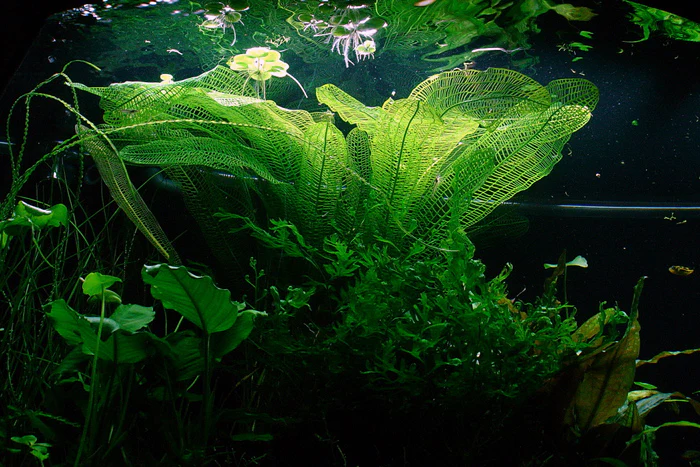
In the realm of aesthetics, few plants rival the architectural splendor of Aponogeton ulvaceus or the legendary Aponogeton madagascariensis. The former is a master of motion, producing vast, lime-green leaves that twist like silk ribbons caught in a gentle current, while the latter—the Madagascar Lace Plant—is a biological marvel. Its leaves are naturally fenestrated, lacking the soft tissue between the veins to create a delicate lattice that allows water to flow through the plant without resistance. Scientifically, these adaptations are evolutionary responses to fast-moving stream habitats, but to the eye of the aquarist, they offer a textural complexity that remains unmatched by any other aquatic genus.
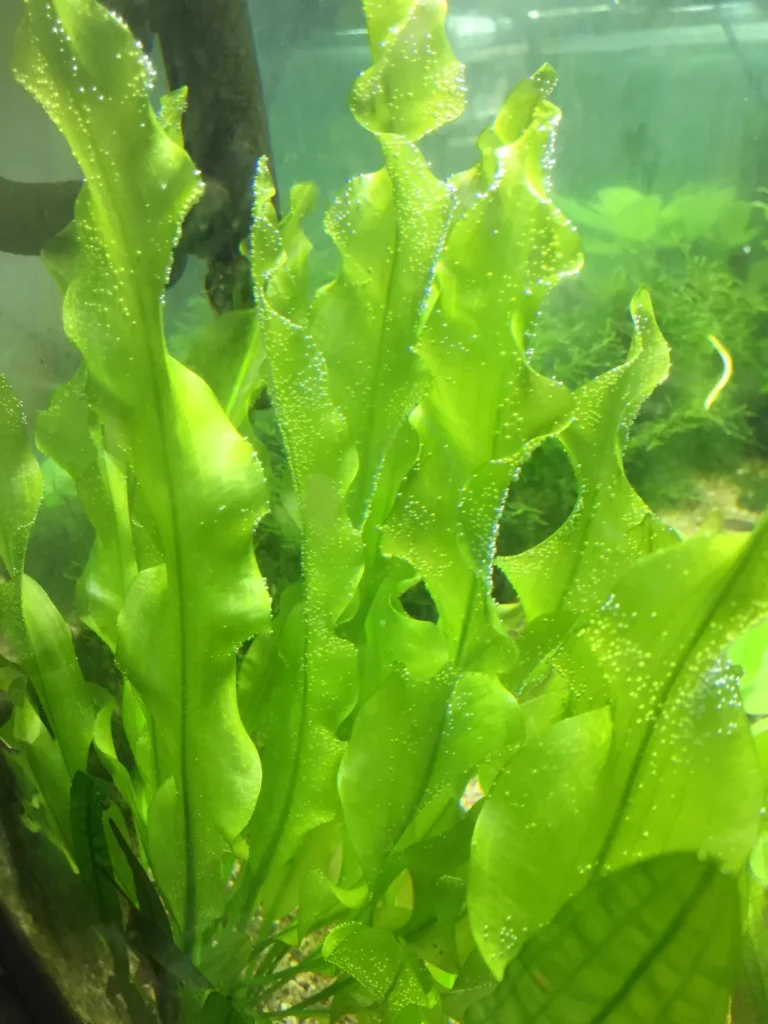
Cultivating these titans requires an understanding of their life cycle, which is dictated by a nutrient-dense bulb. Unlike stem plants that draw heavily from the water column, Aponogetons are voracious root feeders. To thrive, they demand a substrate enriched with iron and minerals, or the targeted placement of aquarium root tabs to fuel their explosive growth. While they are relatively adaptable to a pH range of 6.0 to 7.5, providing moderate to high lighting will unlock their full potential, encouraging the production of deep pigments and the emergence of their characteristic undulating leaf margins.
One of the most fascinating yet often misunderstood aspects of this genus is the natural dormancy period. In their wild habitats, Aponogetons undergo a seasonal “sleep” where they shed their leaves and retreat into their tubers to conserve energy. This can be startling for the unprepared hobbyist, as a once-lush centerpiece may suddenly wither to nothing. However, this is not a sign of death, but of renewal. By reducing the water temperature slightly and allowing the bulb to rest, the aquarist respects the ancient rhythm of the plant. After a period of weeks or months, a new sprout will inevitably pierce the substrate, beginning the cycle of life anew with even greater vigor.

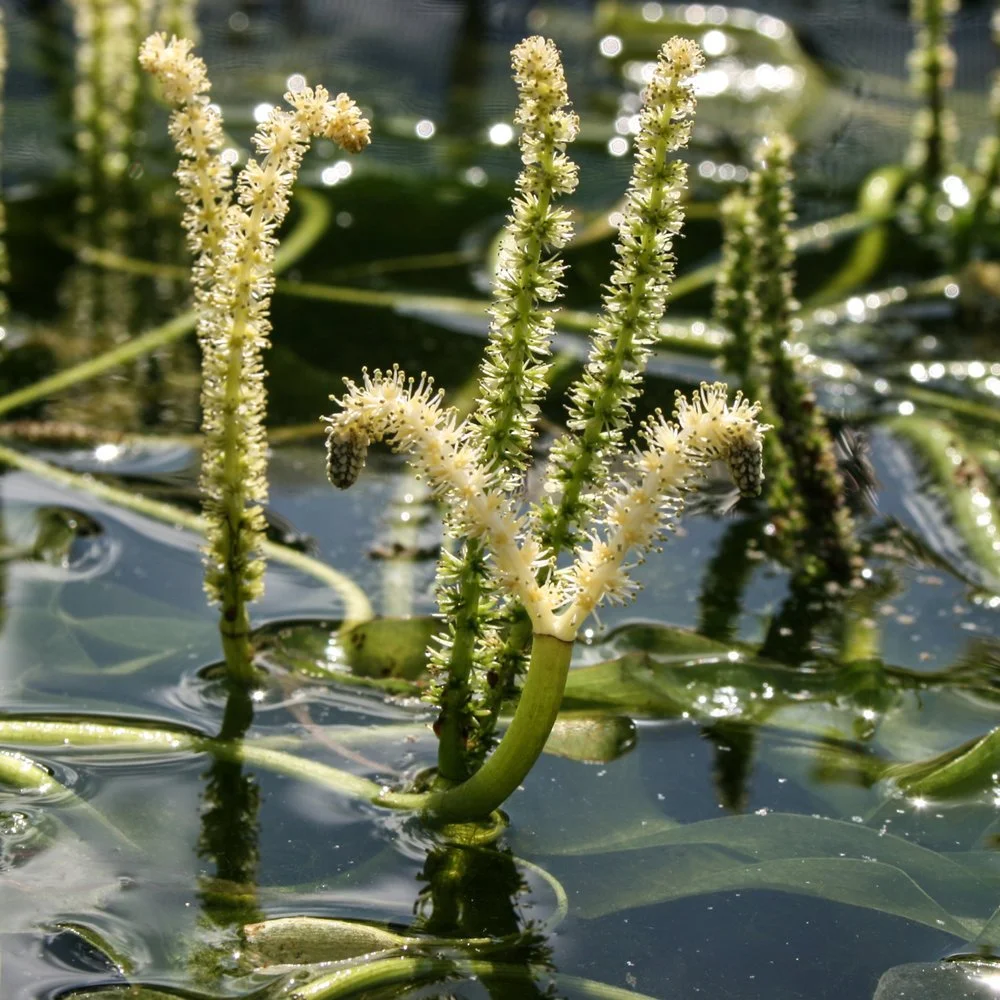
The reproductive journey of the Aponogeton is a spectacle in itself. Often, a healthy plant will send a long, slender stalk racing toward the surface, capped by a bifurcated or singular flower spike. These blossoms, often creamy white, yellow, or even purple, emit a faint, sweet fragrance that lingers just above the waterline. For the hobbyist interested in propagation, manual pollination with a fine brush can lead to the development of seeds. Watching these tiny, buoyant embryos drift and eventually sink to find their own place in the sand is a rewarding experience that connects the keeper to the natural reproductive cycles of the tropics.
Ultimately, integrating the Aponogeton genus into a planted tank is an exercise in both patience and wonder. They are plants that demand space, often reaching lengths of 20 to 30 inches, making them the undisputed kings of the background. Their presence adds a sense of “wildness” and maturity to a layout that few other species can provide. By balancing the scientific requirements of soft-to-medium water hardness and nutrient-rich substrates with an appreciation for their poetic growth patterns, the aquarist ensures that these magnificent bulbs remain the crowning jewels of their underwater sanctuary.
